To choose a princess game for a child aged 4 to 12, start with what they like to do: make up stories, color or solve puzzles. Then check the store's age label, languages, ad label and in-app purchase list. Play the first session together to see whether the controls make sense and the part your child wanted comes free.
Start with what your child likes to do
"Do you like princesses?" won't tell you much: the same princess on the icon can sit on top of completely different games. Ask something more specific. Does your child want to draw, make up stories or solve puzzles?
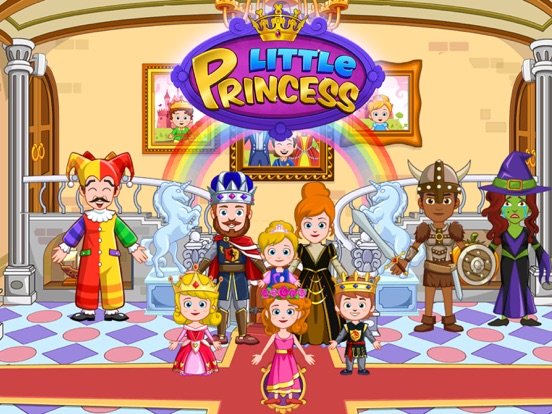
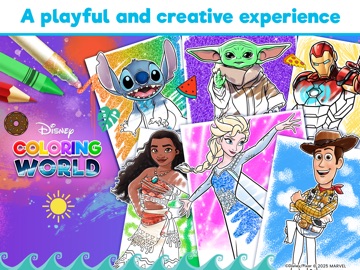
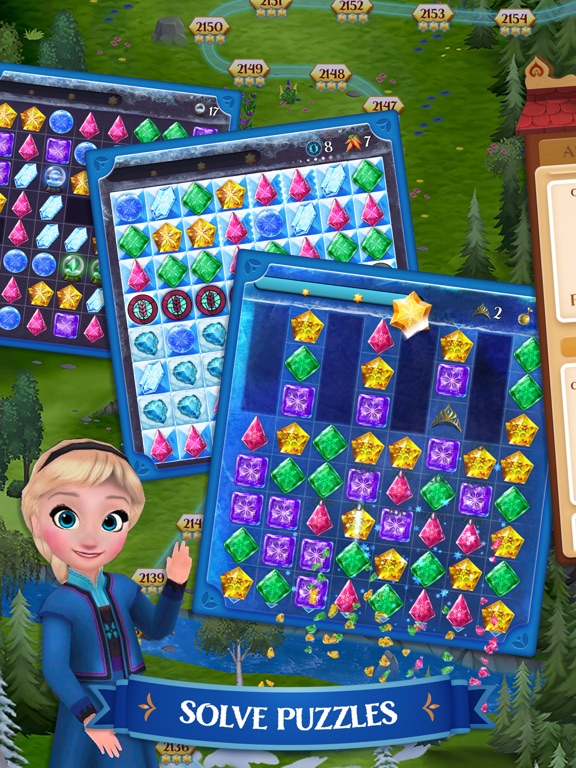
If your child loves staging tea parties for dolls, look at My Little Princess: Castle. If they like coloring and picking colors, try Disney Coloring World, which has free samples and a subscription for full access. For kids who like a task with a clear goal, there's Disney Frozen Free Fall.
Offer two different options and look at the screenshots together. Let your child tell you what they'd like to try. Even a beautiful game may simply not fit today's mood. To compare ads and subscriptions across ten apps at once, see our princess game fact sheet.
What to offer at 4–6, 7–9 and 10–12
Each game card on our site shows an age guide based on the game's format. It doesn't replace the store rating, and it doesn't mean every child that age will enjoy the game. On the App Store, 4+ describes content only, while a "Made for Ages 6–8" line is the developer's target age band.
- Ages 4–6: start with free play with characters, or with coloring. Show the main actions and try the first adventure together. Our guide to princess games for 4- and 5-year-olds names specific apps.
- Ages 7–9: suggest making up a whole plot, exploring new rooms or solving a castle mystery.
- Ages 10–12: ask how hard they want it to be. Some kids enjoy planning moves in a puzzle, while others are happy to keep designing outfits and stories. More ideas are in princess games for 8- to 12-year-olds.
Check the app's languages and how much text it uses. Beautiful pictures don't mean your child can understand the tasks alone.
If your child is 6 and doesn't read yet
Pick one action you can show without a long explanation: move a character, change an outfit or color a picture. Then let your child repeat it alone. Watch whether the buttons make sense to them and whether they can tell the game apart from an offer to buy something.
A language in the store listing doesn't mean every hint is voiced. Our game pages list iOS and Android facts separately. For example, the App Store lists English and seven other languages, including Spanish, for My Little Princess Castle Game. We haven't checked on a device how complete the translation is or how easy the game is for a child who can't read.
If your child has their heart set on a castle, open our comparison of three castle games. For a first try, one open room and a tiny plot are enough, such as setting the table for two guests.
Free downloads, in-app purchases and subscriptions
A free download doesn't always open the whole game. One app sells separate rooms, another sells characters, and in a third, full access depends on a subscription. The terms can differ between iOS and Android.
Before you install, open the in-app purchase list on the store page. See what exactly you'd be paying for: permanent access to a set, or a subscription period. If there's a free trial, find the date and amount of the first charge. Apple says to cancel at least 24 hours before a trial ends if you don't want it to renew.
Turn on purchase approval in whatever way suits your family: Ask to Buy on an iPhone or iPad, or required authentication on Google Play. Our guide to stopping in-app purchases has the settings. Agree with your child ahead of time: if an offer to buy something pops up, you'll look at it together. If the paid part isn't right for your family, you can always go back and choose another game.
Play the first time together
Before your child plays alone for the first time, check three things: which activity is free, where ads or paid offers appear, and how to get back to the game after them. Then show one task: cook dinner for the characters, color an outfit or make a match.
Ask your child to repeat the action. If they need help at every step, find out why: a confusing button, text in another language or a goal that's too hard. That tells you more about the fit than the age number on the card.
What to agree on before you start
Settle three things together: what you'll try today, which offers to buy go to a grown-up first, and the point where you'll stop. Choose a clear moment to finish: the dress is colored in, the guests are seated, one try at the level is done.
Afterward, ask: "What did you make up yourself? Where did you need help? Want to keep the story going with your toys?" If only the locked rooms caught your child's interest, don't rush to buy the pack. First find out what they're hoping to do in there.